
Testing Comfort, Stability, and Adjustability Before Making Your Final Decision
A secondhand chair can look convincing under good lighting, but a glossy photograph says very little about how it will feel at four in the afternoon. The real test begins when someone sits down, adjusts the controls, and notices whether everything responds as expected. That is especially true when shopping for used ergonomic office chairs, where comfort depends on more than tidy upholstery. A reliable model should feel balanced, move smoothly, and adapt to the person using it. Before getting distracted by a familiar brand name or an appealing discount, it pays to spend a few minutes checking the details that photographs cannot reveal.
Start with the seat itself. Is there enough room to sit comfortably without pressure behind the knees? Does the cushioning feel evenly supportive, or has one side flattened over years of use? For mesh seats, examine the surface for sagging, tears, and areas that have lost tension. Then raise and lower the chair several times. A gas lift that slips or struggles to hold its position can become irritating fast. Make sure the chair stays steady at the chosen height, and gently test for unexpected wobbling. Check whether the seat edge feels comfortable when both feet are resting flat on the floor. A few deliberate movements can reveal more than a long product description.
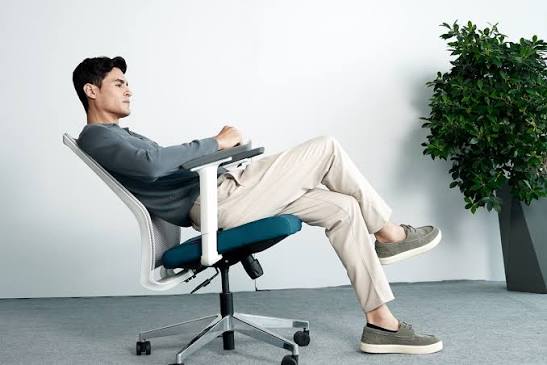
Next, give the adjustment controls a proper workout. Recline the backrest, change the tilt tension, and check whether any locking positions engage securely. Adjustable armrests should move without sticking and remain in place when lightly pressed. Where lumbar support is provided, check that it feels comfortable in the intended sitting position rather than creating an awkward pressure point. The aim is not to find a chair with the greatest number of features. It is to find one whose features still function and suit the buyer. Listen for sharp clicks, grinding, or rattling that might suggest worn or loose components.
The base deserves attention too, even though it is easy to forget once the seat feels comfortable. Roll the chair across a suitable floor and see whether the casters turn freely. Inspect the legs for cracks, bends, or signs of improvised repairs. A scuffed plastic cover may be harmless, but structural damage is another matter. Ask the seller about the chair’s age, service history, and any parts that have been replaced. When buying remotely, request close-up photographs and a short demonstration of the adjustments. Clear answers are useful, while evasive descriptions are a reason to slow down before paying.
Finally, think about what happens after the purchase. Can replacement parts still be found? Are returns allowed if the chair arrives in a different condition than advertised? Does the asking price leave room for delivery or minor maintenance? These practical questions help separate an attractive listing from a sensible purchase. Plenty of used ergonomic office chairs have useful years ahead, provided their mechanisms are sound and their dimensions fit the new owner. Take the time to test rather than assume, and do not let a dramatic discount overrule an uncomfortable seat. The best secondhand find is one that feels right on a normal workday.