
Preparing Your Boat Storage Setup for Seasonal and Future Water Changes
Waterfront conditions can change more than many boat owners expect, sometimes gradually through the season and sometimes after only a few days of heavy rain, drought, or shifting weather. A dock that feels perfectly positioned in spring may sit noticeably higher or lower relative to the water later in the year. For properties where these changes are common, a wide-base floating boat lift can offer useful flexibility because it moves with the water instead of depending entirely on a fixed height. Planning around water-level history, dock movement, vessel size, and available clearance can create a storage setup that remains comfortable to use even when conditions refuse to stay exactly the same.
Past water levels are worth reviewing before deciding how the lift should be configured. Seasonal highs and lows can affect boarding height, available depth, and how much space exists beneath or around the boat. In tidal areas, those changes may happen several times a day, while lakes and rivers can experience slower but still significant fluctuations. Understanding that pattern helps owners avoid designing a setup around one unusually calm or average day. It also gives installers a clearer picture of how much movement the system may need to accommodate. The more realistic the planning, the less likely everyday docking becomes awkward when conditions shift.
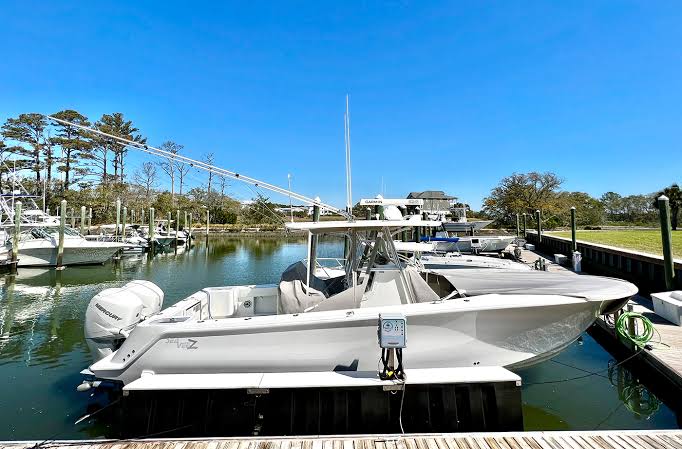
The boat itself adds another layer to the decision. Overall weight, beam width, hull style, engines, fuel, batteries, and equipment all influence the support system required. A floating lift should have enough capacity for the vessel as it is actually used, not simply its empty published weight. Wider boats may also need additional clearance so they can enter the lift without constant correction from the operator. Dock structure matters here too. Connections between the lift and dock should allow expected movement while keeping the system positioned properly. A balanced setup can make raising, lowering, boarding, and leaving the slip feel far more natural.
Future changes deserve attention as well, especially for owners who expect to keep the waterfront property for many years. Boats tend to change, docks may be expanded, and local water conditions can evolve over time. Choosing a system with some additional capacity or adaptable support can provide room for a future vessel without requiring a completely new installation. Maintenance access should also be considered from the beginning. Components that can be reached easily are simpler to inspect, clean, and service. That small planning detail can become surprisingly valuable after several seasons of regular use and changing weather.
Long-term convenience comes from designing for variation rather than assuming the waterfront will always behave the same way. Water depth, seasonal movement, dock configuration, boat weight, available space, and future upgrades should all be considered together before equipment is selected. When a wide-base floating boat lift is properly matched to these conditions, it can provide a more adaptable way to store a vessel as the water rises and falls. The goal is not only to lift the boat today, but to create a dependable setup that continues to feel practical through changing seasons, changing boats, and years of waterfront use.