
A Closer Look at Physical Recovery After Pregnancy
Pregnancy and childbirth ask a lot from the body, and recovery does not always happen as quickly as people expect. The lower back may feel sore, the hips can seem tight, and the pelvis may still feel different when walking, sitting, or getting out of bed. Add hours of feeding, rocking, lifting, and carrying a newborn, and those tired areas can stay under constant pressure. For women looking for extra support during this stage, the team at Coastal Chiropractic can evaluate how the spine, joints, and surrounding muscles are moving and whether chiropractic care may be appropriate. That assessment can be a useful starting point when everyday discomfort begins interfering with normal routines.
One reason postpartum aches can linger is that the body has spent months adapting to a changing center of gravity. Muscles and joints may have compensated for the growing belly, while hormones during pregnancy affected ligaments and joint stability. After delivery, those changes do not instantly disappear. Instead, the body begins another adjustment period, often while sleep is limited and physical demands suddenly increase. A chiropractor can look at posture, range of motion, joint movement, and areas of muscular tension to understand what may be contributing to discomfort. Treatment, when appropriate, can then be tailored to the person’s stage of recovery rather than following a one-size-fits-all approach.
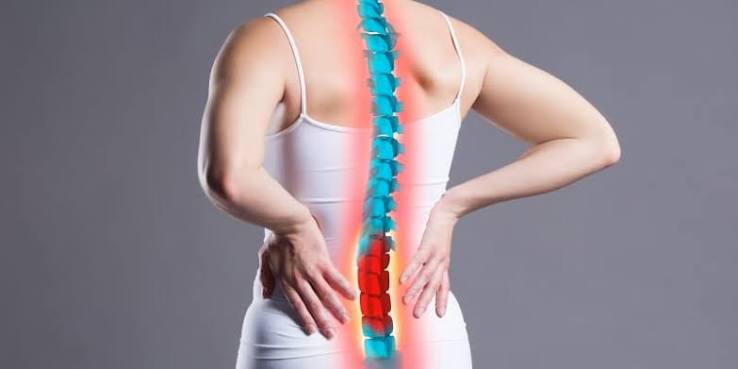
Daily baby care can create its own collection of physical habits. Feeding may involve leaning forward or staying in one position for a long time. Changing tables, bassinets, car seats, and strollers all require repeated bending and lifting. Even holding a baby on the same side throughout the day can leave one hip, shoulder, or part of the back feeling more strained than the other. Chiropractic care may help address certain mechanical problems related to joints and movement, while practical advice about posture and positioning can also make a difference. Small adjustments to how common tasks are performed can sometimes reduce unnecessary stress on already sensitive areas.
Postpartum chiropractic care works best when it is viewed as one piece of a broader recovery plan. Rest, gentle activity, pelvic floor rehabilitation, appropriate exercise, hydration, nutrition, and medical follow-up can all play important roles after childbirth. Women who have had a complicated delivery, cesarean section, severe pain, neurological symptoms, fever, heavy bleeding, or other concerning symptoms should speak with their medical provider before beginning additional treatment. A good chiropractor should also take recent pregnancy and delivery history into account before recommending care. That extra attention matters because recovery can look very different from one person to another.
Feeling stiff or uncomfortable after childbirth does not mean those symptoms simply have to be accepted as part of becoming a parent. When back, hip, or pelvic discomfort continues, having the problem assessed can offer clearer answers about what may be contributing to it and what options are available. Depending on the findings, the team at Coastal Chiropractic may use gentle techniques and movement-focused care to support comfort and mobility as the body continues recovering. Combined with sensible activity and guidance from other healthcare professionals when needed, chiropractic care can become a practical part of postpartum recovery, helping everyday movements feel more comfortable while attention naturally shifts toward life with a new baby.